Epilepsy
Seizures are one of the most frequently reported neurological conditions in dogs.
Epilepsy (repeated episodes of seizures) may occur in clusters and they can be infrequent and unpredictable or may occur at regular intervals. Causes of seizures include inherited disorder, liver disease, kideney failure, brain tumor, brain trauma and toxins.
Unfortunately, there is no cure for epilepsy, however, anti-epilepsy treatments can make some animals seizure-free, or reducing the frequency and severity of the seizures with acceptable side effects.
Why Consider This Test?
The two most commonly used medications to treat seizures in dogs are phenobarbital and potassium bromide. Off-label use of drugs such as zonisamide (Zonegran) and levetiracetam (Keppra), are also becoming more popular.
Prescription of zonisamide and levetiracetam are often given with phenobarbital, causing them to clear the body quicker, therefore requiring adjustments in dosage. Although anti-epileptic drugs are generally safe, on rare occasions, side effects can be worse than the seizures themselves and chronic liver toxicity can occur if the blood level of the drugs are above the recommended range.
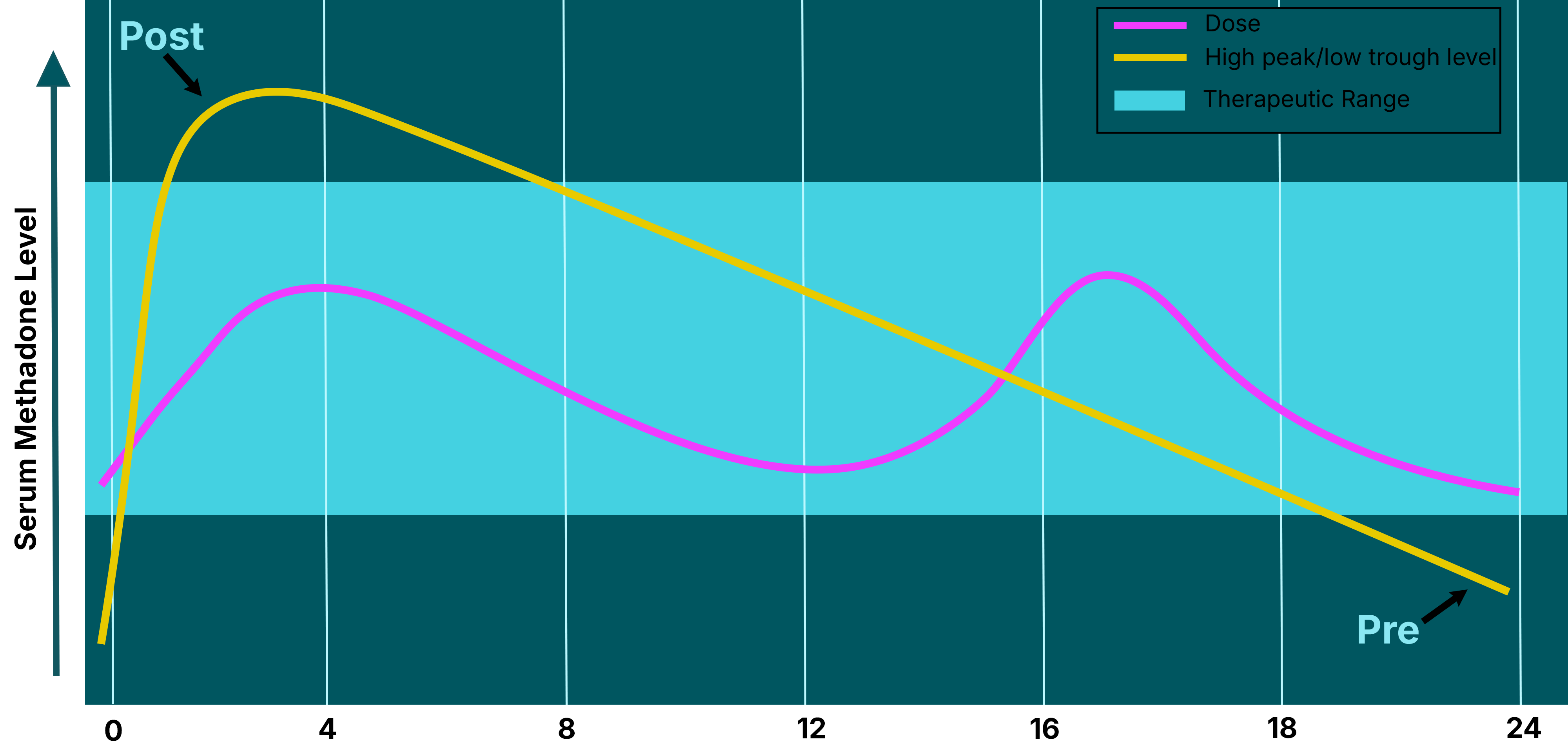
Response to treatment varies largely between animals, with some requiring a higher dosage to achieve the therapeutic effect, while some requires a lower dosage. Therefore, it is important to check the concentrations and ensure that the drug is within the therapeutic range while minimizing the side effects.
Why Consider This Test?
The two most commonly used medications to treat seizures in dogs are phenobarbital and potassium bromide. Off-label use of drugs such as zonisamide (Zonegran) and levetiracetam (Keppra), are also becoming more popular.
Prescription of zonisamide and levetiracetam are often given with phenobarbital, causing them to clear the body quicker, therefore requiring adjustments in dosage. Although anti-epileptic drugs are generally safe, on rare occasions, side effects can be worse than the seizures themselves and chronic liver toxicity can occur if the blood level of the drugs are above the recommended range.
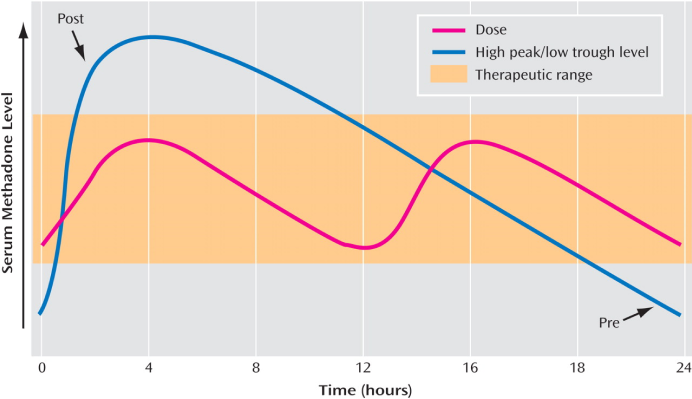
Response to treatment varies largely between animals, with some requiring a higher dosage to achieve the therapeutic effect, while some requires a lower dosage. Therefore, it is important to check the concentrations and ensure that the drug is within the therapeutic range while minimizing the side effects.