
Kidney Health
Kidney disease is a common health issue in cats, particularly in older cats.
According to the International Renal Interest Society (IRIS), an estimated 30-40% of cats over the age of 10 will develop chronic kidney disease (CKD) at some point in their lifetime. However, cats of any age can be affected by kidney disease, and some breeds may be more predisposed to the condition than others.
Why Consider This Test?
In many cases, cats with kidney disease may show no symptoms until the condition has progressed to an advanced stage. Early diagnosis and treatment are crucial for managing kidney disease in cats. Routine monitoring can help detect early signs of kidney disease and allow for early intervention.
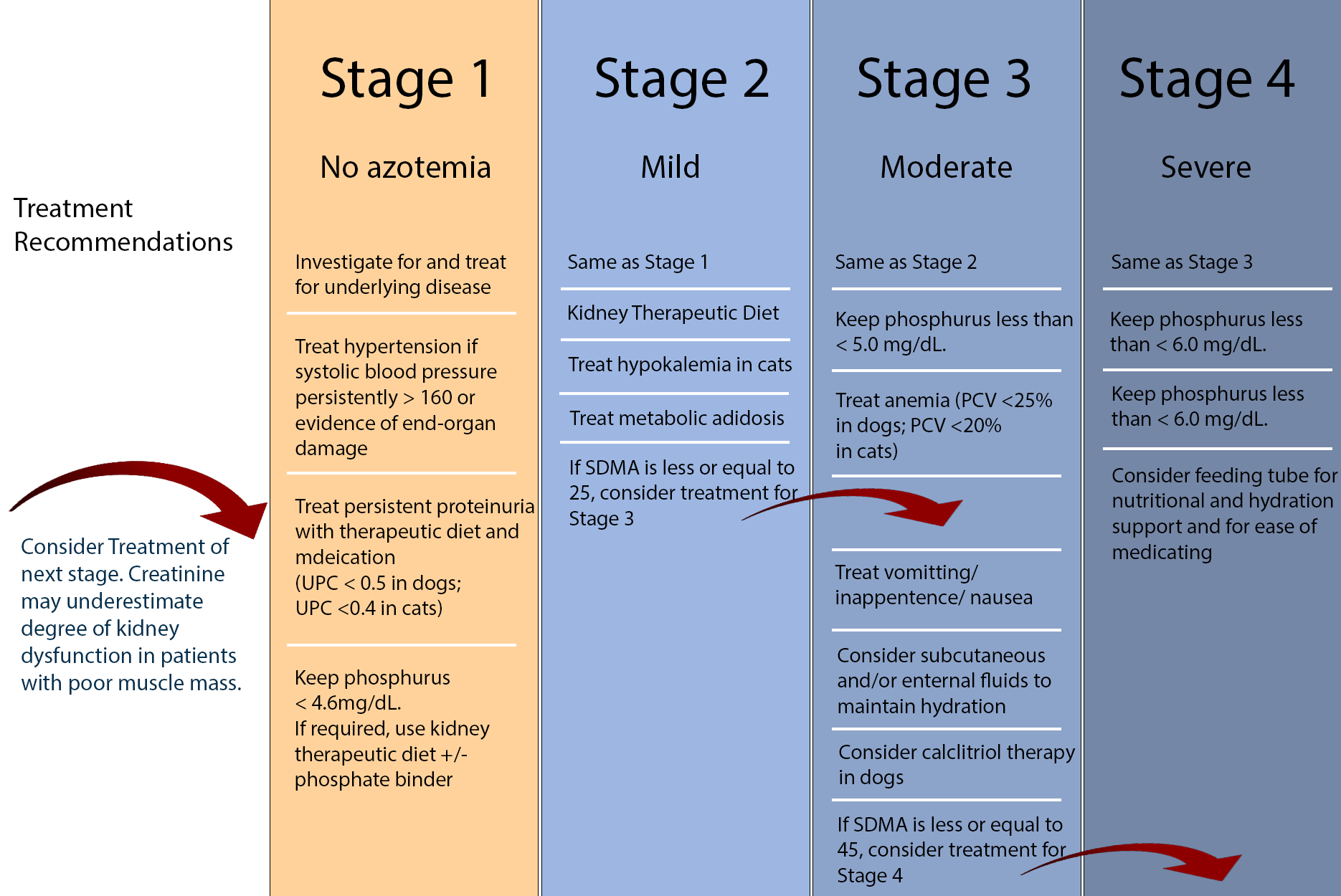
SDMA (symmetric dimethylarginine) is a biomarker for kidney function that is being widely used due to its ability to detect kidney disease earlier and more accurately than traditional markers like creatinine. Unlike Creatinine, SDMA is not affected by factors such as age, muscle mass and diet.
Why Consider This Test?
In many cases, cats with kidney disease may show no symptoms until the condition has progressed to an advanced stage. Early diagnosis and treatment are crucial for managing kidney disease in cats. Routine monitoring can help detect early signs of kidney disease and allow for early intervention.
SDMA (symmetric dimethylarginine) is a biomarker for kidney function that is being widely used due to its ability to detect kidney disease earlier and more accurately than traditional markers like creatinine. Unlike Creatinine, SDMA is not affected by factors such as age, muscle mass and diet.